


When we think of London’s landmarks, our minds often think of the London Eye, Tower Bridge, and Buckingham Palace.
London is a city full of rich history, streets, and landmarks which is just beyond the tourist track. The lesser-known corners of the city hold charm, sometimes even more fascinating.
One of the best hidden gems is Peddington Old Cemetery, which is a historic Victorian funerals.
This is not just a graveyard; it is a part of Victorian history, a green oasis of reflection and a remarkable reminder of how London preserves its past.
If you are interested in history, architecture, and love to discover the place off the beaten path, this article will help you to do so. This article explores Everything you need to know about Paddington Old Cemetery.
Let’s discuss in detail.
History of Peddington Old Cemetery
This Cemetery was opened in 1855, also known as Willesden Lane Cemetery, in response to the rapid population growth as well as health concerns of the 19th century in London.
Paddington Old Cemetery quickly became a resting place for the thousands of souls, and with the passing time, it gained awareness not just as a graveyard but also for its beauty, cultural awareness, and environmental values.
This place now becomes a Grade II listed site, which is protected for its historical and cultural importance.
Peddington Old Cemetery’s beautiful and tranquil space
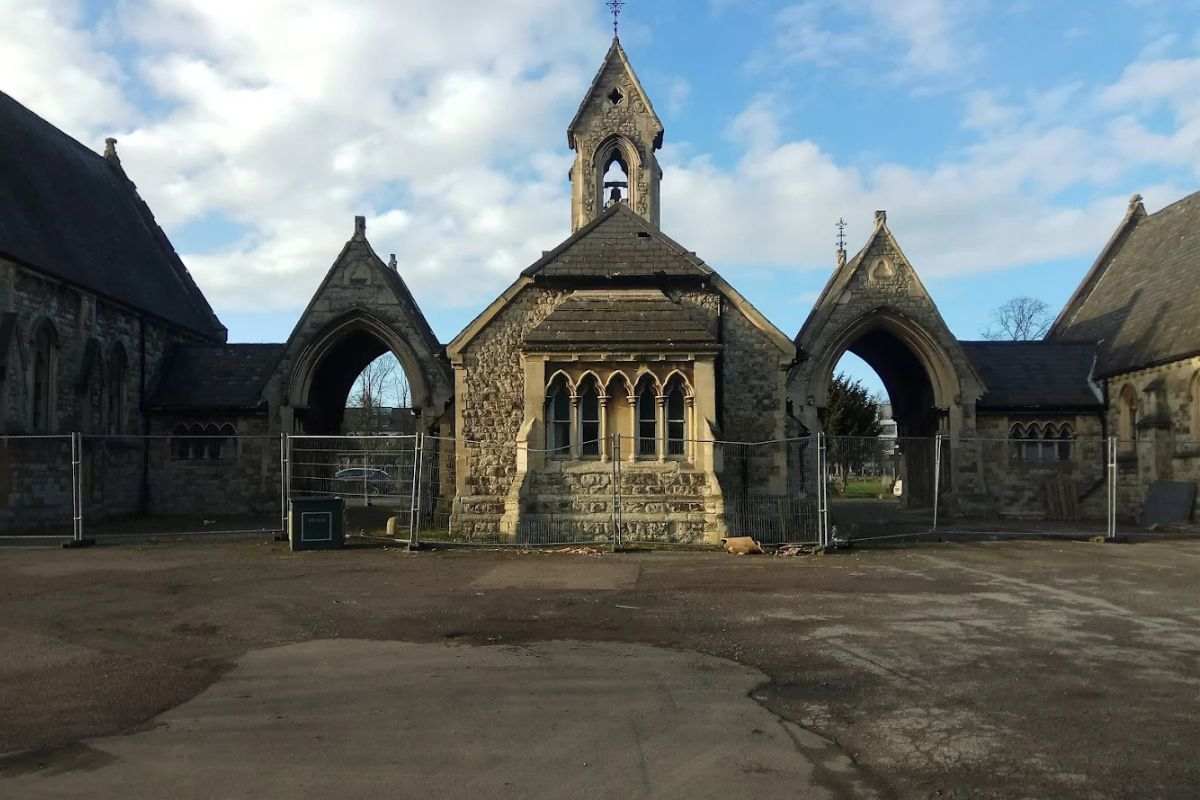
One of the most popular features of this place is the twin Gothic chapels. Peddington Old Cemetery is built with the stone of the classic Victorian style; this sanctuary reveals the sense of glory and gravity in this place.
This place is not just about the graves, but it is about creating a peaceful, as well as almost romantic, space for the visitors.
This place feels like a historic garden rather than a graveyard with its perfectly placed memorials, wider path here as well as tree-lined lanes.
Nature plays a huge role in this cemetery, which is home to a wide variety of wildlife, from birds to wild animals like foxes, and also wild flowers.
Famous residents here and notable burials
Peddington Old Cemetery is the final resting place for many famous figures in London. Discovering the gravestone uncovers the mesmerizing stories of many artists, writers, and famous figures, as well as ordinary Londoners.
1. Arthur Orton (1834 to 1898): He was famous as the Tichborne Claimant, and the famous impostor of the 19th century who claimed to be the missing heir to the Tichborne baronetcy.
2. James McDonald (1828 to 1912) : He was a founder of professional football refereeing.
3. Sir John Ackroyd (1847 to 1910): He was an engineer and politician whose contribution to public works left a permanent mark on London.
4. Charles Forte (1908 to 2007): Charles Forte was a famous hotelier and the founder of the Forte group, who changed the British hospitality industry.
5. Joe Strummer (1952 to 2002): Joe was the iconic frontman of the band The Clash; his memorial attracts music lovers and fans from around the world.
6. Military graves: The number of Commonwealth war graves can be found in this cemetery, which is a dignified reminder of those who died in World War II.
Place of storytelling and reflections
Unlike other historic places, Paddington Old Cemetery is full of a reflective and intimate atmosphere. Roaming around the lanes of this cemetery feels like roaming through a storybook. Every gravestone tells a story about love, loss, tragedy, resilience, and ambition.
The Victorian cemeteries were created to remind the living of life’s delicacy and beauty. You will notice here the symbolic sculptures like angels, urns, and draped fabric as well, each of which carries some message about mortality and hope.
This place is like a treasure trove of inspiration for history lovers, writers, and photographers as well.
Many locals love this place as a place to pause, breathe, and reconnect with themselves.
Why visit Paddington Old Cemetery?
Why visit Paddington Old Cemetery, and why carve out the time in your visit? Let’s discuss:
Offers peaceful escape: London can be immense with its bustling city. This place offers a calm and peaceful retreat where you can enjoy a serene walk while taking in the natural surroundings.
Its historical journey: This is more than just a historical graveyard; it has a great Victorian history, and the gravestones, memorials, and chapel here give you a look at how Londoners lived.
Art and architecture: If you are a lover of art and Gothic design, symbolic statues, and Victorian craftsmanship, you will find lots of things to admire here.
It is like a hidden gem: This cemetery is like a hidden gem, which means you can enjoy its beauty without too much rushing.
Social events
In recent years, this cemetery has become a historic landmark, and it also offers community events, hosting guided walks, historical tours, and occasional cultural events. All these activities preserve its legacy and make it relevant for modern Londoners.
Heritage preservation usually throws the clean-up events, wildlife walks, as well as history talks, which highlight the features of this place. For Londoners, it is a heritage site as well as a beautiful green space.
Detailed information for visitors
- Address: Wildesden Lane, NW6 7SD, Kilburn, London.
- Nearest station: Kilburn Park Station, Brondesbury Park, and Kilburn High Road
- Opening hours: 9.00 am to 7.00 pm
- Entry: Free entry.
Conclusion
Paddington Old Cemetery is not at the top of the tourism brochures, but it definitely makes a special place in the hearts of Londoners as well as visitors’ hearts. This is a place where London’s culture, history, and natural beauty are interconnected.
From the Gothic lanes to the war memorials, right from Michael Bond’s connection to walking lanes to the everyday Londoners whose stories lie under the headstone.
This place is a reminder that London’s past is not conserved in museums, but it lives on in spaces like this and is open for all.
So next time you are visiting London and want an escape from the hustle and bustle of the city, take a walk to the Paddington Old Cemetery. You will definitely live it. This place continues to shape London’s identity.
