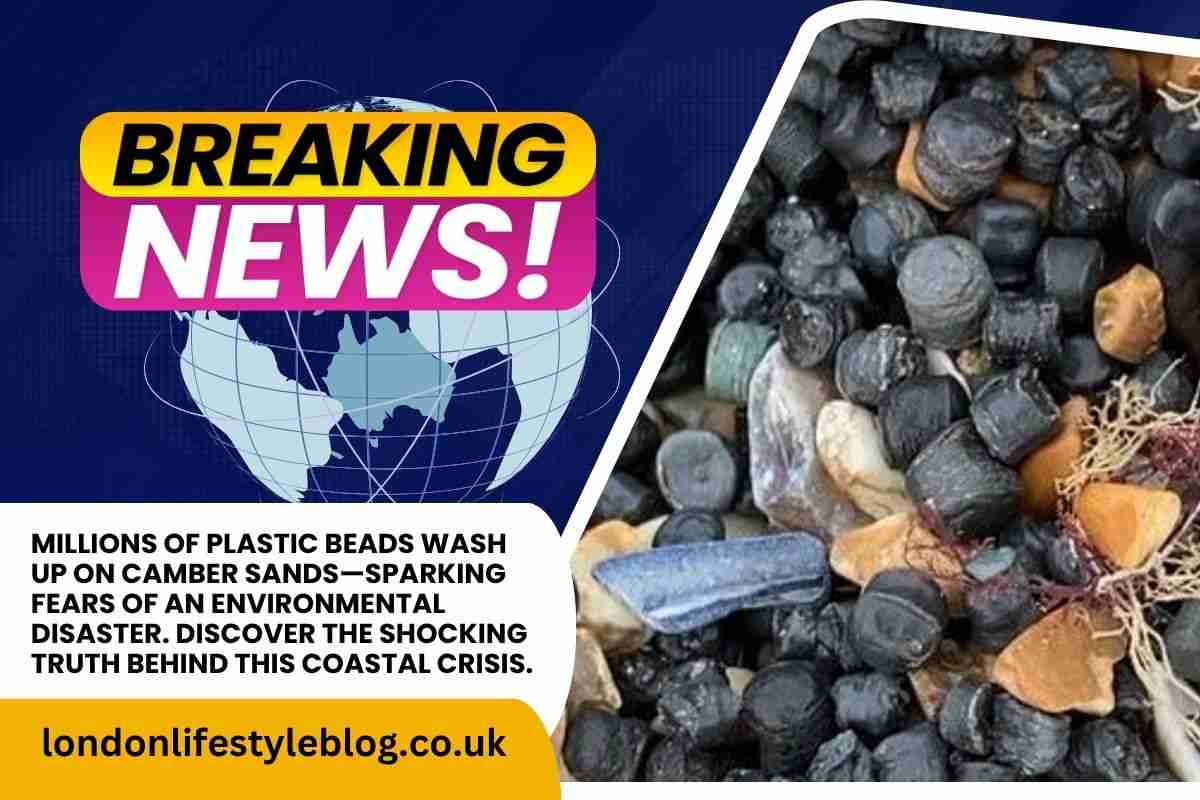
Millions of plastic beads that have been contaminated were washed onto the Camber Sands beach, threatening an environmental disaster, and Southern Water is investigating the case.
The biobeads may cause terrible effects to marine life, the local MP has stated, and fears that the rate sea life such as seabirds, porpoises and seals may ingest them and perish.
The local water treatment centre is suspected to have spilled the beads and a local MP, Helena Dollimore, has written to the Southern Water chief executive, Lawrence Gosden, demanding to know what happened. Camber Sands is an East Sussex beach, popular in England, and dune habitat is rare, and extensive stretches of Sand are of golden color.
Volunteers have been in a race to sweep the beads out clearing dozens of bags of the plastic waste, yet the size of the population spill is enormous and they are not likely to be able to get them all out.
Anndy Dinsdale, from the plastic pollution campaign group Strandliners, saud on Saturday: “This is the worst pollution event I have ever seen. It is contaminated plastic. Marine animals will ingest small plastic items once they are in the sea, they will attract algae, they will smell like food, effectively.
“Once they’ve eaten it, that’s it: they can’t get it out. They will float on the surface. It will create a slick which attracts plunging seabirds.”
He said the clean-up efforts have been exhausting. ‘Yesterday I was out there cleaning it up. We are trying to really piece together the timeline and the story for this horrendous event. It’s terrible.
“They are so small that, from a very long way off the beachookd normal. But as soon as you get close up you see there are millions of black pellets nestled under seaweed. It’s an impossible task – volunteers have been taking for days, and they will continue to rake, but we won’t be able to get rid of them all. It is the worst I have ever seen of a polluted beach.”
Dollimore, the Labour and Cooperative MP who joined the clean-up exercise, said: “The huge number of plastic beads that have washed up here risks an environmental catastrophe. These biobeads are deadly to marine life and wildlife, and we are already seeing more dead seals, fish and porpoises on the beach.
Dogs are also at risk because the beads contain a great quantity of polycyclic aromatic hydrocarbons, which have been shown to be carcinogenic, and they usually have toxins such as lead, antimony and bromine.
A Southern Water spokesperson said: “We are working closely with the Environment Agency and Rother district council to investigate the sources of plastic beads which have washed up on Camber Beach
This investigation work is ongoing.”
Subscribe to Updates
Get the latest creative news from FooBar about art, design and business.
Fears of an ‘environmental disaster’ arise as millions of plastic beads appear on Camber Sands