


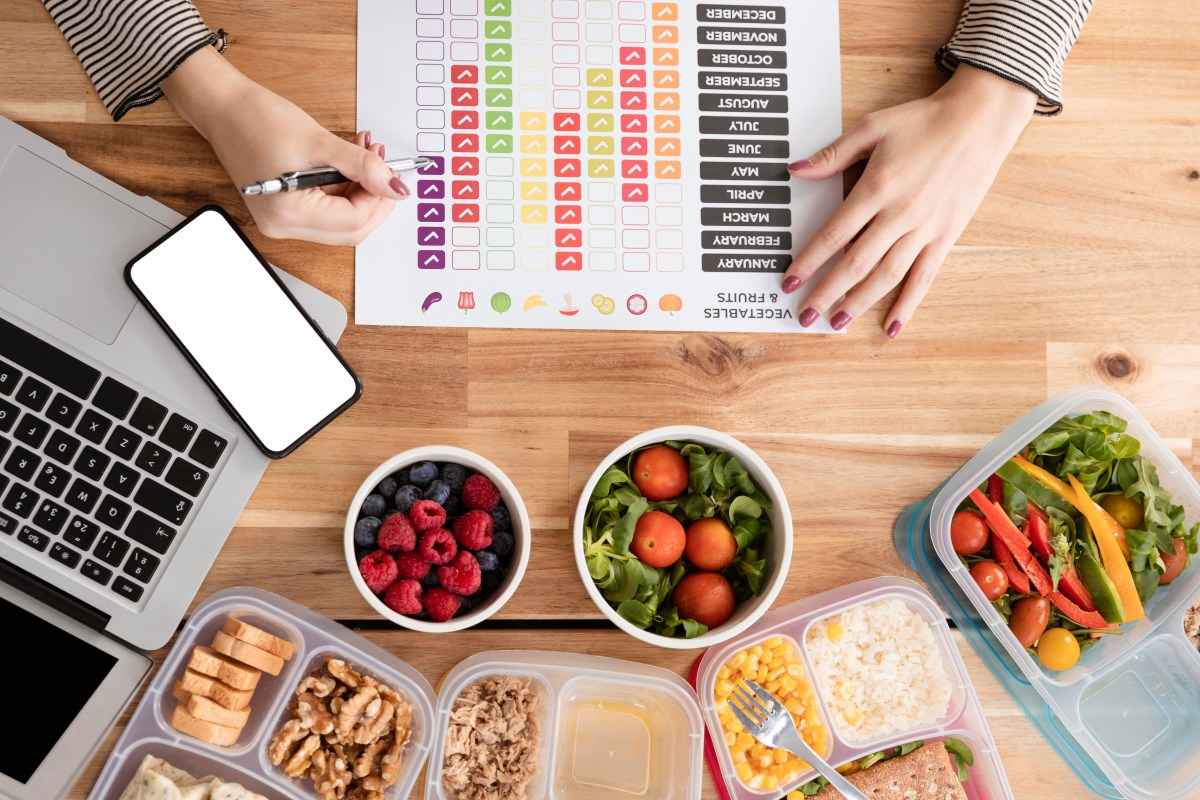
Are you struggling to manage your monthly food expenses?
Don’t worry, we are here to provide you with proper guidance on a monthly food budget for 1 in the UK. It is harder to determine how much to spend on food when food prices are so high.
However, determining the food budget for a month depends upon several factors, such as dietary restrictions, shopping habits, and more.
So, continue reading the blog to learn about the average cost of groceries per month, what drives your grocery spending, how to budget for your food, and tips for food savings.
What is The Average Cost of Groceries per Month for 1 Person?

The average monthly food budget for 1 person is 182 pounds per person, including groceries and eating out, according to the latest data released in 2024.
The average weekly food cost per person in the UK is 31 pounds. You should keep in mind that these estimates are based on how much an average family shops for food groceries.
We have researched how single people spend on them for food and then found out the amounts.
The amount is likely to increase as the overall food prices continue to rise. Food expenses can significantly vary based on someone’s food preferences and eating habits.
What Drives Your Grocery Spending?
Several factors influence your grocery budget, so you should have a basic knowledge of those factors to make an informed decision.
- Household size: Larger families need to spend more on food, while the food cost will decrease for small families.
- Location and accessibility: The place where you live has a significant impact on your food budget. Even within the same city, any food product’s cost may vary with the ZIP Code.
- Dietary restriction: If you need specialised products, you should be prepared to spend more on food products. Sometimes, these products may be costlier than their counterparts with fewer discounts and promotions.
- Shopping habits: If you have smart shopping habits, like making a list of the products before heading to any supermarket, you can significantly lower the grocery costs.
- In-store or online shopping preference: Online shopping helps you to save a lot of money by keeping you away from impulse buys. You can track the costs in real-time, and you can also compare prices of various food products at one time. In contrast, fewer in-store visits and costly substitutions sometimes make the shopping more expensive than ever.
How to Budget For Food
Confused about where to start? Here are a few guidelines that you can consider to kick-start your grocery budget.
1. Follow a Strict Food Plan
You must plan for estimating the average cost of nutritious, home-prepared snacks and meals for you. You can follow the 50/30/20 food plan budget to decide how much to spend on a monthly food budget for 1 person in the UK.
Following this framework, you should spend 50% of your monthly earnings on needs, 30% & on your desires, and 20% on savings.
Most grocery products fall under the “need” segment, but you must understand that not every item in a supermarket is a necessity. For example, purchasing an expensive dinner set falls under your wish list.
2. See What You Already Spent
You can check your bank account and go through your spending history for the past few months.
Thus, you have an understanding of what amount you are spending on your groceries every month. You can take the monthly average as your basic grocery expenses.
Knowing how much you are actually spending on food helps you to create a realistic food budget for the upcoming months.
3. Budget for Other Expenses
Once you get to know the amount you are spending on your food every month, complete setting up the rest of your monthly budget.
After food, you just make sure that you are covering the other four pillars of our life: housing, utilities, and transportation. Oh, don’t forget any debt you may have, including credit card bills, student loans, and more, if you have.
4. Adjust as Required
Once you have considered all your monthly expenses in your budget, you might need to make some adjustments to the budget. You must focus on offering every pound a job.
Whether you are giving a pound to someone, saving it, investing it, or paying off debt, every pound is worth something. You must make sure that you do not spend more than you earn.
So, you must glance at your budget and check for the areas where you can cut down the expenses. We recommend going over the budget because you must make different choices or look for ways to save money.
5. Consider Your Financial Goals
According to some research, food is the area where we spend the most. Alongside, it is also the biggest opportunity to save some money and achieve financial goals.
Suppose, if you are paying off debts, you can prioritise shopping for cheaper meals that require fewer ingredients.
Otherwise, you can stop eating out completely for a longer period. In this case, your grocery costs will increase as you completely depend on home-cooked meals. These initiatives help you cut the grocery budget and achieve your financial goals.
Tips for Grocery Savings
If you find that you are struggling to fit your food costs into your monthly expenses, it is the right time to look for long-term ways to save some money on food. You can start with the following strategies:
- Before making a food list, look in your refrigerator and pantry. Maybe there is a jar of mayonnaise that you have forgotten about. Alternatively, you can use those fruits that are about to get rotten.
- You can consider discounted grocery chains in your locality. Have you seen the price differences in grocery stores at different locations? So, you should prefer cheaper grocery stores in your locality.
- You can join the store loyalty programs to earn rewards. The rewards will add significant benefits to your future purchases, like free products, discounts, gift cards, and even cashback.
- Shop the seasonal products to get the freshest produce at lower prices.
Conclusion
When planning for the monthly budget, it is crucial to evaluate how much money you should keep aside for the essentials, like food.
That is why, to help you deal with this, we have discussed every aspect regarding a realistic monthly food budget for 1 person in the UK.
Hope this guide will help you deal with the issue, and you can have a better insight into your food budget for now.
One thing you should remember is that your financial condition will not remain the same, and expenses alongside earnings will change throughout your entire life.
So, you can revisit your grocery budget every month and adjust as needed.
