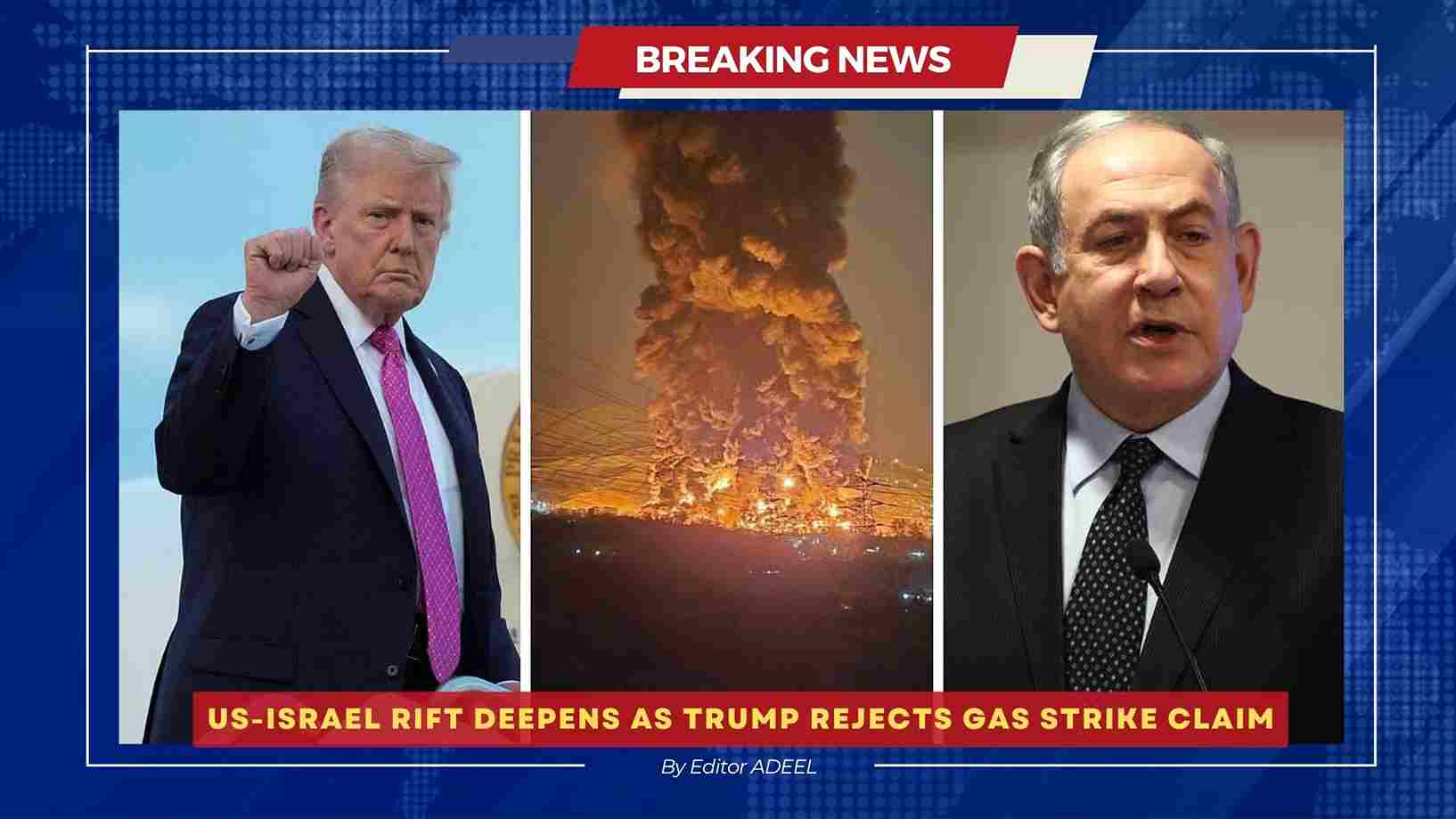
US President Donald Trump has claimed ignorance of Israel’s recent attack on Iran’s South Pars gas field. This has exposed tensions between Washington and Tel Aviv. The incident has spiked global energy prices, hitting households hard.
The strike happened on March 18, 2026. Israel targeted facilities at South Pars, the world’s largest natural gas reserve shared with Qatar. A fire broke out but was contained with no casualties reported. Production halted at two major Iranian refineries.
Trump posted on Truth Social that the US “knows nothing about this particular attack.” He called Israel’s action a “violent lashing out” in anger, hitting only a small section. Qatar had no role or prior knowledge, he added.
Israeli officials contradict Trump. They say the US was informed in advance, though it did not join the operation. Reports from Israeli media back this claim. This mismatch highlights a growing daylight between Trump and Prime Minister Benjamin Netanyahu.
Trump warned there will be “NO MORE ATTACKS” by Israel on South Pars unless Iran retaliates. Iran hit back by striking Qatar’s Ras Laffan LNG facility “unjustifiably.” If Iran attacks Qatar again, Trump vowed the US would “massively blow up the entirety” of South Pars with overwhelming force, with or without Israel.
The president revealed he told Netanyahu not to hit energy sites. “I told him, don’t do that,” Trump said in recent comments. Despite coordination, Israel acted alone this time. US officials show frustration with Israel’s “reckless moves on energy infrastructure.”
This comes amid the ongoing war in Iran, now in its third week. It started in late February with Israeli strikes on Iranian sites. Both sides have hit oil and gas targets, shifting to economic warfare.
Oil prices jumped to $108 per barrel for Brent crude. UK gas prices rose over 6% to 153p per therm before easing. Stock markets fell as fear grew over the Gulf energy supply. UK drivers and bill payers face higher costs at the pump and at home.
Qatar expelled Iranian attaches after the Ras Laffan hits. Gulf states like the UAE and Oman called the South Pars strike a “dangerous escalation.” They worry about global energy stability.
Trump aims to protect Gulf oil and gas to avoid wider chaos. Israel focuses on crippling Iran’s revenue from energy exports. This tactical split risks further rifts in the alliance.
For the UK public, the news means watching fuel and energy bills closely. Higher prices could last if strikes continue. Trump’s threats aim to deter Iran but add uncertainty. The world is watching whether US-Israel unity holds against Tehran.
The row lays bare strains after weeks of war. Energy markets stay volatile. No new strikes have been reported as of March 202, but tensions remain high.
Subscribe to Updates
Get the latest creative news from FooBar about art, design and business.
Trump Denies Knowledge of Israel’s Strike on Iranian Gas Field, Signals US-Israel Rift Amid Energy Crisis