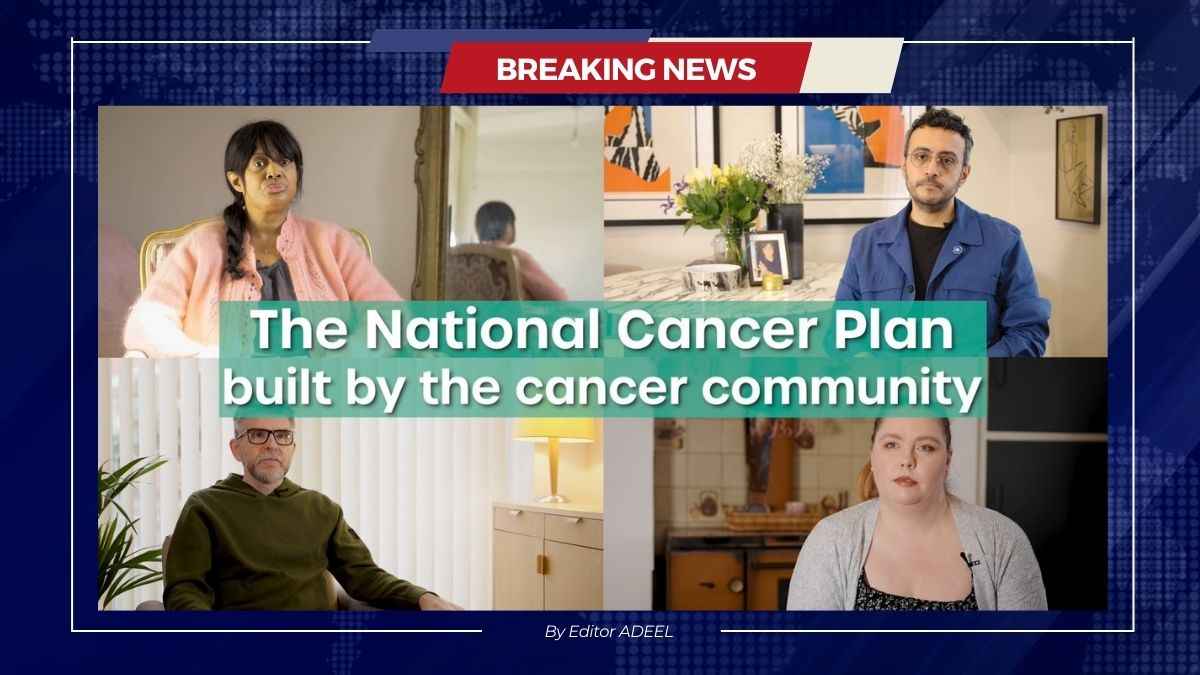
The UK government has launched a major new National Cancer Plan for England, promising faster diagnosis, quicker treatment, and better support for patients. Health Secretary Wes Streeting unveiled the 10-year strategy at the Royal Free Hospital in North London, describing it as a “turning point” in the fight against cancer.
The core aim is to save up to 320,000 more lives by 2035 and push England’s cancer survival rates closer to the best in the world. The government wants three-quarters of people diagnosed with cancer to survive at least five years, up from roughly two-thirds today. To do this, the plan focuses on prevention, early diagnosis, faster treatment, and long-term support for survivors.
Cancer has long exposed weaknesses in the NHS, from long waits to patchy services across regions. Since the current government took office 18 months ago, ministers say over 200,000 more people have been diagnosed on time, and around 37,000 more have started treatment within national targets. The new plan is meant to lock in those gains and tackle remaining “postcode lotteries” in care.
The plan runs to 2035, but many measures are being rolled out immediately. By the end of this Parliament, the government wants all three national cancer waiting time standards met: diagnosis within 28 days, first treatment within 62 days, and treatment starting within 31 days of an urgent referral. Services will be expanded through more Community Diagnostic Centres, evening and weekend appointments, and wider use of blood-based “liquid biopsy” tests.
Under the plan, every cancer patient in England will receive a Personal Cancer Plan tailored to their clinical, emotional, and practical needs. These plans will cover treatment, mental health support, work, finances, and side-effect management. The NHS App will also be upgraded to integrate genomic and lifestyle data, so patients can receive personalised risk advice and screening prompts.
The government is pushing harder on prevention, including plans for a smoke-free generation, better uptake of existing vaccines, and tighter rules on junk food ads and sunbeds. It also wants to expand access to weight-loss drugs and use technology such as digital imaging, automation, and AI to speed up test analysis. Robot-assisted surgery and new vaccines are highlighted as part of a long-term push to “consign cancer to the history books.”
The plan is now live, and NHS England is expected to translate its ambitions into local delivery targets. Experts and charities have welcomed the goals but say success will depend on sustained funding, workforce growth, and how quickly changes reach patients on the ground. For now, the message from Wes Streeting is clear: cancer care in England is being redesigned so more people survive, sooner and with a better quality of life.
Subscribe to Updates
Get the latest creative news from FooBar about art, design and business.
UK unveils an ambitious National Cancer Plan to save 320,000 lives by 2035